Hong Kong Film Director Lawrence Kan Talks “In Broad Daylight” with Student Filmmakers
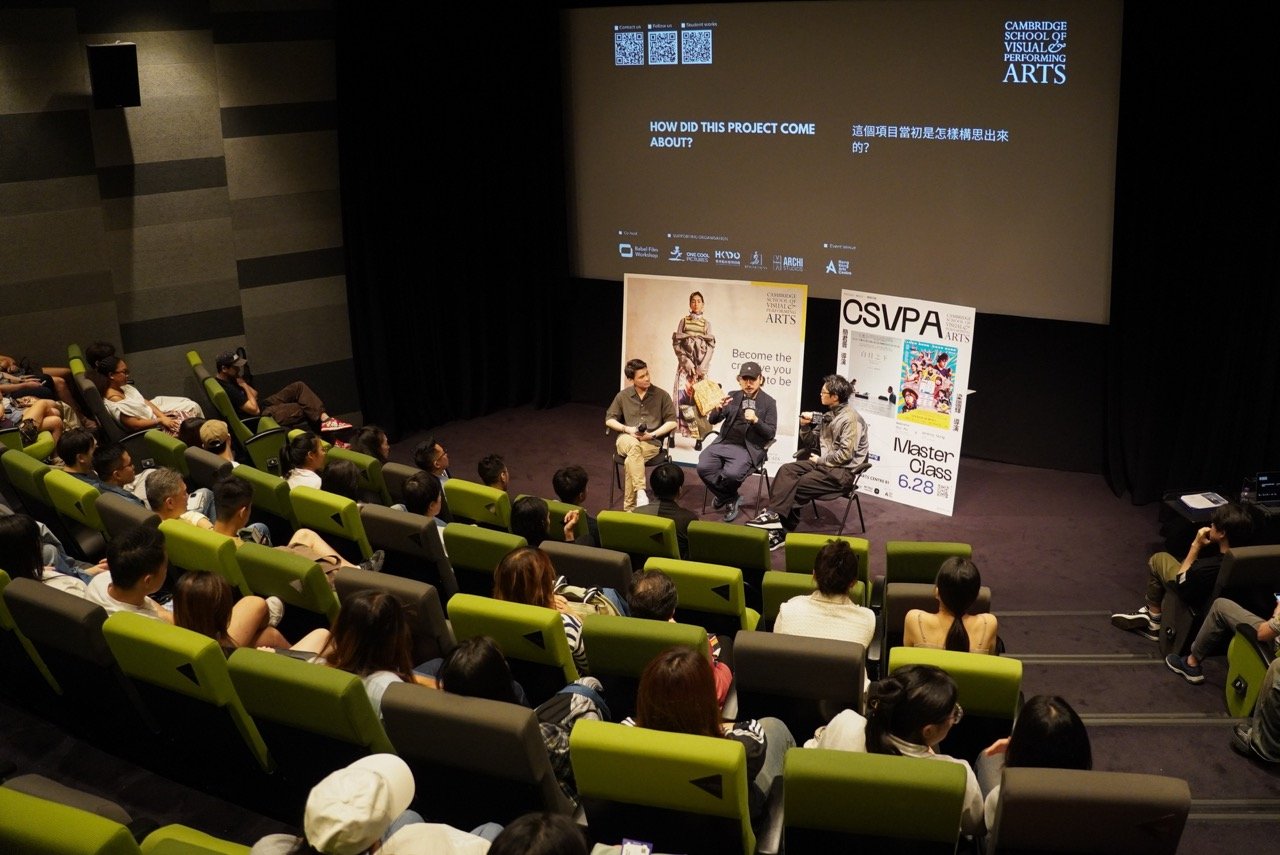
Babel Film Workshop founder Jeremy Hung moderates a masterclass with director Lawrence Kan, with Cantonese translation and moderation by Anson Chung. Photo: Babel Interns (Benjamin, Natalie)
This past Sunday at Hong Kong Arts Centre, Hong Kong director Lawrence Kan 簡君晋 joined Babel Film Workshop founder Jeremy Hung for a discussion about his award‑winning film “In Broad Daylight” 《白日之下》 and how emerging filmmakers can get their first feature made. The event, involving an audience of student filmmakers, artists and parents, was co‑hosted with Cambridge School of Visual & Performing Arts and supported by One Cool Pictures Limited, bringing together a community passionate about film and arts education in Hong Kong and beyond.
“In Broad Daylight,” Kan’s second feature film, is an investigative drama based on true events about a journalist who goes undercover in a care home to expose abuse and systemic failures, and it since its release has become one of the most talked‑about Hong Kong films in recent years. For young filmmakers, it was a powerful case study in how cinema can drive social impact while telling a compelling story.
5 Takeaways for Young Filmmakers
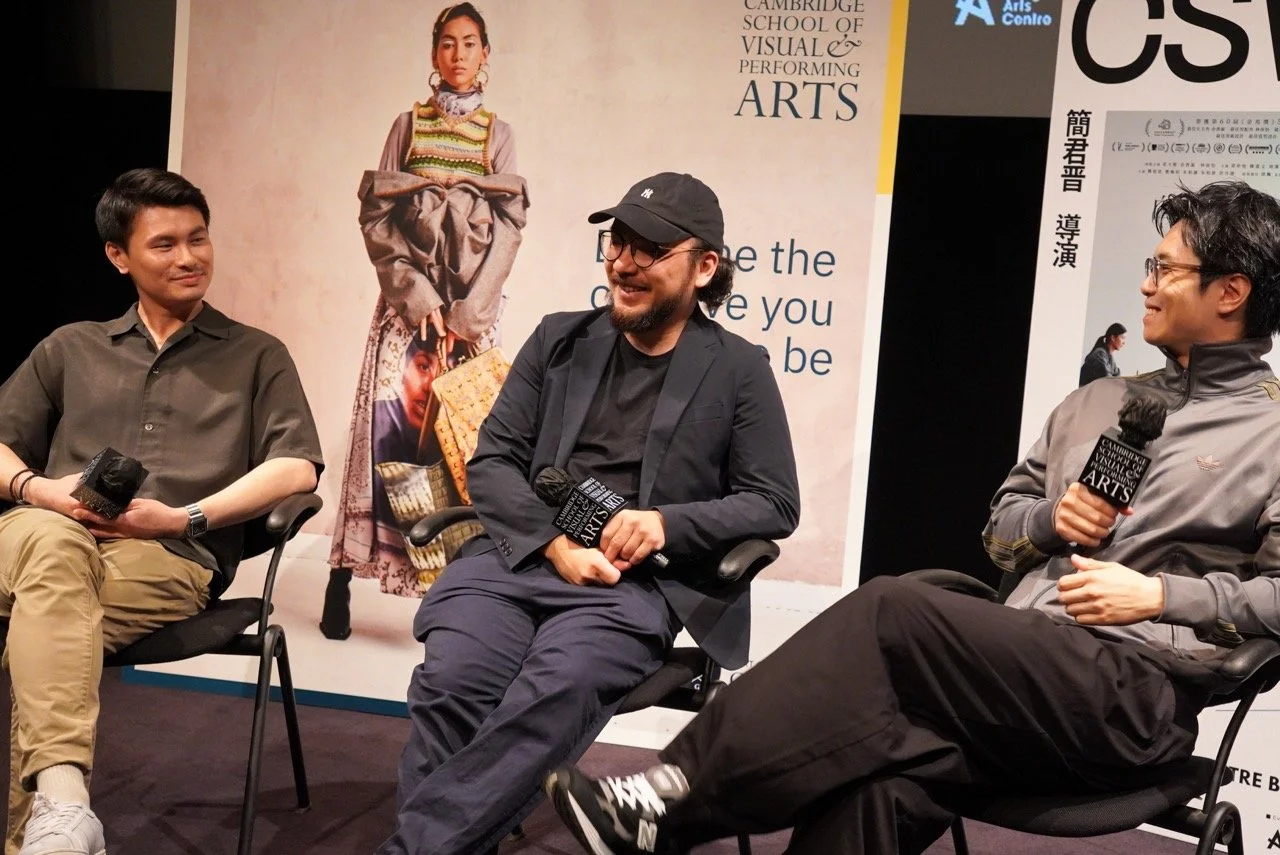
Photo: Babel Interns (Benjamin, Natalie)
Throughout the conversation, Lawrence traced his path from studying film in Vancouver Film School to directing “In Broad Daylight,” overcoming challenges of getting a second feature off the ground in Hong Kong’s film industry climate. Students heard first‑hand how long‑term persistence, collaboration with producers and a clear creative purpose all contributed to the film’s success.
One of our students, Rachell Lee, captured some of the biggest lessons from the session, some of which are included below.
Reflect on the filmmaker you want to be remembered as. If you’re unsure what films you want to make, start with the question: what impact do you want your work to have? For Kan, the answer was social impact—telling stories that matter to the community.
Don’t force a “style” before you have a body of work. Rather than obsessing over your filmmaking voice, keep making films. Over time, recurring themes, visual choices, and character types will naturally emerge, and your creative identity will become clear in hindsight.
Learn to reference films without copying them. When you take inspiration from other directors, go beyond the surface and ask why they made specific creative decisions, whether in shot design, pacing, or performance. Understanding intent helps you transform influences into something original.
Treat actors as creative partners. Lawrence encouraged directors to listen to and try out actors’ ideas on set. In the digital era, experimenting costs very little, and an unexpected choice from a performer can unlock moments you never planned.
Focus on behavior and eyes, not just dialogue. When directing performances, Lawrence pays close attention to an actor’s eyes (眼神) and physical behavior. Subtext and silence often communicate far more than lines on the page.
These insights gave our students a practical framework for thinking about directing, collaboration and long‑term creative growth on their own sets.
Film Education for Students
This masterclass reflects Babel Film Workshop’s mission to bridge professional film practice with film and media education for young people in Hong Kong and Asia. By partnering with institutions like Cambridge School of Visual & Performing Arts and industry players such as One Cool Pictures Limited, we aim to create more opportunities for students to learn from working directors and to see how feature films move from idea to screen. Thank you to all our partners for making this event happen!
Students interested in more opportunities related to film production can explore our various programs, and sign up for Babel Slate to be part of our global student filmmaking community.